
Guiding inheritors through moments of mourning
Practice Management
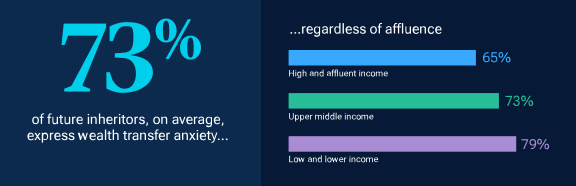
Inheritance isn’t just financial. It’s emotional. In our opinion, because according to a study by Gartner®, what should be a financial windfall often feels like a logistical burden, prompting considerable stress over managing the deceased’s estate. Indeed, nearly half (48%) the respondents in that survey said that “the administrative burden of receiving an inheritance outweighs the financial benefit.”1
Supporting clients during difficult transitions
What many assume will be “good news” frequently shows up wrapped in grief, guilt, and pressure to steward a loved one’s legacy. This is where advisors have a tremendous opportunity—not to manage assets but to lower the emotional stressors. The advisors who thrive during wealth transfer bring composure, clarity, and humanity when everything feels foggy. The work begins before the sad news.
By shepherding a wealth transfer plan, you can ease the burden well before a client’s passing. According to a Cerulli study, fundamentals like regular communication, family meetings, and education were rated far more effective than formal tools such as family mission or investment policy statements.2
The role of charitable giving
One tool often overlooked in moments of mourning is charitable giving. For many families, channeling grief into generosity creates meaning from loss, and it gently opens the door into broader conversations about legacy and wealth transfer—the next steps—without feeling transactional.
The human side of advice: Simple principles for sensitive moments
Consoling the grieving doesn’t necessarily come naturally. Funeral directors offer the following advice on how best to console:3
- Be present. Quiet presence is part of your respect and support. Show up, be calm, and don’t rush to fill silence.
- Listen more, talk less. Let them lead. Active, attentive listening—without steering or offering unsolicited advice—conveys respect and care.
- Keep showing up. Grief outlasts the service. Follow up long after the funeral so support continues when the crowd thins.
- Skip the clichés. Offer brief, genuine condolences—“I’m so sorry for your loss”—avoid minimizing phrases, and follow the family’s cues.
- Offer specifics. Concrete help beats “Let me know if you need anything.” That could mean scheduling a review or coordinating next steps.
Take action: Get ready for their moment of need
When a client inherits wealth, the logistics can feel overwhelming. Being prepared before that moment arrives allows you to step in with clarity, calm, and real support when they need it most.
- Be their "go-to." Position yourself to be the family’s “first call”—a trusted, knowledgeable source of the information and guidance they’ll need to smoothly navigate this often emotional process. Early on, that can be as simple as, “Would setting aside a small gift in their name feel meaningful while we organize the paperwork?” It reassures without rushing, and it creates a human bridge to the planning work ahead.
- Normalize emotional complexity. Most inheritors feel a mix of gratitude, guilt, and pressure. Let them know that’s not a sign of heartlessness or a lack of preparation, but rather a natural part of inheriting new wealth. If it helps, invite a brief conversation about what the person they lost cared about. Sometimes identifying a way to carry a value forward makes the rest of the decisions feel less heavy.
- Build a playbook. Probate is a state-level process, so documenting the general rules, milestones, and timelines for the places where your clients reside will leave you well prepared.
- Know the estate of affairs. Knowing the names of the attorneys and specialists who helped structure the estate plan and having visibility into its basic terms will empower you to support the inheritors.
Supporting clients through inheritance is about more than the financials. It’s about showing up as a steady, compassionate partner during one of life’s most vulnerable moments. By preparing early, approaching the process with sensitivity, and offering clear, human guidance, you can help families move through complexity with confidence—and honor the legacy they’re working hard to preserve.
- Related Resources
Intergenerational Wealth Transfer
proven strategies for building multigenerational relationships.
Explore Practice Management
Practice Management Pulse

Contact us
1 Gartner, Gartner’s 2026 U.S. Consumer and Cultural Top Trends. GARTNER is a trademark of Gartner, Inc., and its affiliates.
2 Cerulli, U.S. High-Net-Worth and Ultra-High-Net-Worth Markets, 2024.
3 Gupton-Jones College of Funeral Service, “Professional Etiquette in Funeral Service: Tips for New Funeral Directors.”
- 202603-5313734