
The Long View: Interview with David Rubenstein and Harvey Schwartz of Carlyle
August 2025, On the Horizon
Overview
In these special episodes of “The Angle from T. Rowe Price,” Eric Veiel, head of Global Investments and chief investment officer at T. Rowe Price Associates, welcomes CEOs and industry leaders to share their personal stories, leadership strategies, and lessons learned from running successful companies. Listen as we pull back the curtain on what it truly takes to lead a company in today’s fast-paced and ever-changing business landscape.
In this episode, David Rubenstein (Co-Founder), and Harvey Schwartz (CEO) of Carlyle chat to Eric Veiel about the formation of the company, the future for private investments, and their views on philanthropy. They also give some career advice to anyone starting in the industry.
Podcast Host
 Eric L. Veiel, CFA
President, Co-head of Global Investments and CIO
Eric L. Veiel, CFA
President, Co-head of Global Investments and CIO
Speakers
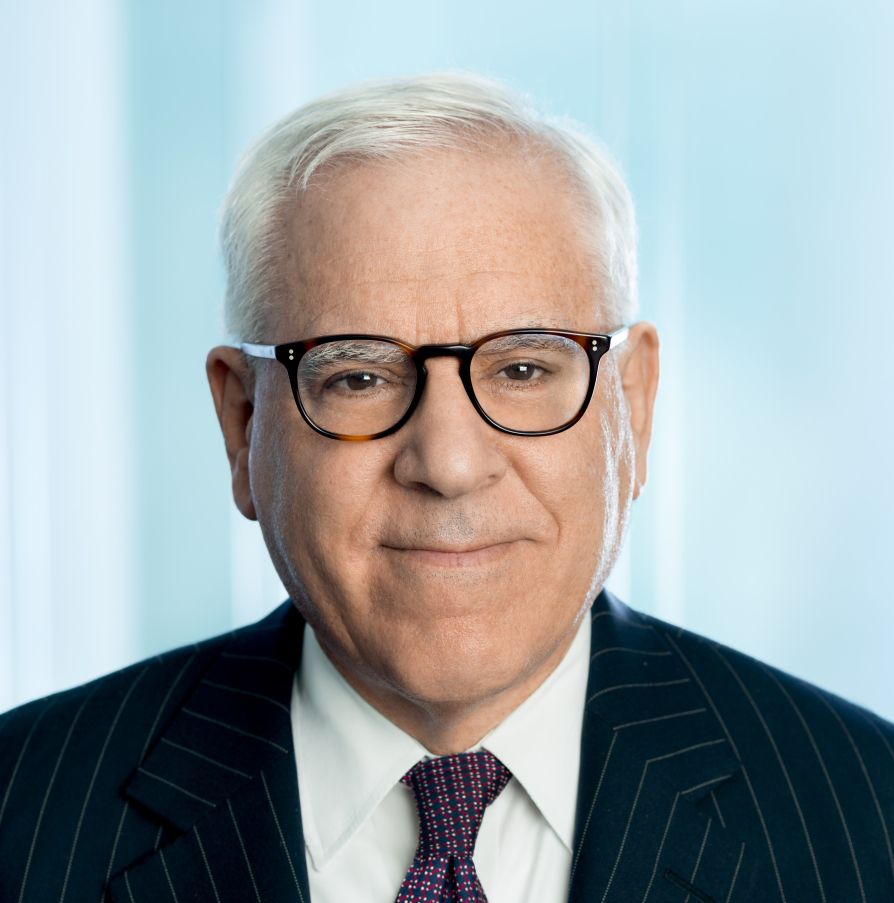 David Rubenstein
Co-Founder of Carlyle
David Rubenstein
Co-Founder of Carlyle
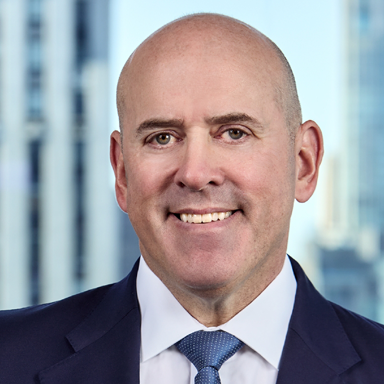 Harvey Schwartz
CEO of Carlyle
Harvey Schwartz
CEO of Carlyle
This podcast is for general information purposes only and is not advice. Outside of the United States, this episode is intended for investment professionals use only. Not for further distribution. Please listen to the end for complete information.
“The Angle” Music
Cold OPEN “…if you really are good at investing, you create companies that can provide good social services for the world, and ultimately you feel like you're doing something useful …without just doing philanthropy. You can do it in the investment world. That's one of the things I think is great about investing. You can build companies, restructure companies, create jobs and help the country and the world do better things.”
Eric Veiel
Welcome back to “The Angle from T. Rowe Price”, a podcast for curious investors. I'm Eric Veiel, head of global investments and chief investment officer here at T. Rowe Price Associates. In this episode, I'm excited to welcome Harvey Schwartz and David Rubenstein from Carlyle, one of the largest global investment firms specializing in private investments, with over 450 billion in assets under management.
Harvey is Carlyle’s CEO, joining the firm in 2023 after having had a stellar career at both Goldman Sachs and Citigroup. David is co-founder and co-chairman of the board at Carlyle. He's also a Baltimore native and a principal owner of the Baltimore Orioles. He has his own podcast “For the Ages”, and is the host of Bloomberg TV's “The David Rubenstein Show: Peer to Peer Conversations”.
Well, David, Harvey, thank you so much for being with us today on “The Angle” – really appreciate you coming to Baltimore.
David Rubenstein
Our pleasure.
Harvey Schwartz
Great to be here.
Eric Veiel
So, I thought maybe we'd start off a little bit with the founding of Carlyle. David, I was on the phone with George Roche, who you may remember – CEO of T. Rowe Price when I joined the firm, 20 years ago to talk to him about this podcast. And he reminded me that T. Rowe was an early investor in Carlyle. Tell me a little bit about just the formation of the company. I mean, you weren't in the industry directly before that.
David Rubenstein
You're being polite. I managed to work in the White House for Jimmy Carter. I got inflation to 18%, a very high rate.
Harvey Schwartz
Quite an accomplishment actually, really.
Eric Veiel
Your job was to bring it down, and you got it to 18?
Harvey Schwartz
Nobody’s done it since!
David Rubenstein
So, people didn't reelect us. And, when you work in the White House, you have a lot of cognitive dissonance. People tell you how great you are, and you believe it, and you think you have more information than everybody else. I remember saying to President Carter, “Mr. President, you have no chance of losing. This man is 69 years old. Anybody that old can't possibly get out of bed in the morning”. I'm now older than that. So, Reagan seemed older to us at the time. I was then 31. We lost. And then when you lose an election, you work in the White House, all the people tell you how great you are before – they don't call you back anymore. Nobody wants you to talk to them.
So, I had to go back and practice law. It took me a while to get a law firm that was willing to hire me. I took about six months because nobody really wanted a Carter White House aide when Reagan's in. And I had to tell my mother (I'm her only child – my mother was living in Baltimore) and I had to say I had so many offers, I didn't know which one to take. But I don't know if she figured out that I didn't have any offers, but eventually somebody felt sorry for me, they gave me an offer, I went to practice law, and I realized why I didn't really like the practice of law when I done it in New York before the White House. So, I had read about Bill Simon, a former Secretary of Treasury, who had done a buyout deal that was very famous – Gibsons greeting cards. And more or less, he put in 1 million of his own money and made $80 million in 18 months.
So, I went down the street to see Bill Miller, who had been Secretary Treasurer in the Carter administration. I said, your predecessor did a leveraged buyout. Why don't you form a leveraged buyout firm, and I'll do the legal work for you. Obviously, knowing my legal skills were limited, he said he didn't want to do that. So, I ultimately talked to somebody from T. Rowe Price who I'd met when I was in the White House. His name was Ed Mathias, a long time, T. Rowe Price person. And he had a habit of getting to know everybody in the world in the worlds he cared about. And he knew a lot of people who worked in the White House and government. And so, he said, well, he thought it was a good idea to start a private equity firm in Washington. I wasn't thought to be skilled enough in the investment world to do it. But he said, let's find some people that could do it. We walked it around, we talked to many people. We couldn't find two people in Washington who had the right skills. And eventually somebody came to me and said, I'm going to do it, and I want to start this firm, but I'll do it with you.
We started with $5 million, which took us a while to raise, and then we built from there, and T. Rowe Price was very helpful. Ed Mathias, who was at T. Rowe for probably 20, 25 years, is now a senior advisor to Carlyle, and has been very helpful to us over the years. But if it hadn't been for T. Rowe, I don't think we would have gotten off the ground.
Eric Veiel
That's a, that's a great story. So maybe, Harvey, pivot to you. Fast forward a good number of years and, you've been at Goldman. You have a really long, successful career. We were reminiscing about how you and I first met there 15 years ago, when I was the analyst at T. Rowe, covering that stock. What brought you to Carlyle?
Harvey Schwartz
Well, I left Goldman in 2018, and I actually left with the plan of having no plan. I had worked my entire life from when I was very young, and I thought I needed a break, and that sort of evolved into philanthropy, passion projects, private investing. And you know, I ended up with a nice resume. It didn't start out that nice when I was young, but I ended up with a nice resume and so I would get calls, opportunities. None of them were really that compelling until I heard from David and the founders. I knew the industry, I knew what was happening in the industry, and having been at Goldman Sachs, I obviously knew Carlyle as a client. I spent a lot of time with the founders, and it really wasn't that complicated at that point to make the decision. I just had to really feel confident that I could have an impact on the firm. But between the industry, the founders, the opportunity set, it really was too much to pass up and I was at a stage in my life where I kind of felt like, hey, if this isn't the opportunity, then that's fine. I'll just keep doing what I was doing. But it was super compelling, and it's been a lot of fun.
Eric Veiel
Maybe let's fast forward to where we are today in the industry. A lot has changed. The private equity business still very important to Carlyle, but the firm has expanded. Before we get into where the firm is today, maybe just a little bit about how the traditional buyout private equity business has evolved since the deal that you referenced.
David Rubenstein
Well, when the first buyouts were done in the, let’s say early to mid-70s, they were basically truly leveraged buyouts.
Harvey Schwartz
They didn’t call it “private equity”? Didn’t they just call it “leveraged buyout”
David Rubenstein
No, the phrase had not even been invented. They were then called, leveraged buyouts. And the phrase “leverage” became odious. So, they just call them later “management buyouts”. Then the phrase “buyouts” or the word “buyouts” became odious. So, they came up with “private equity”. And then “private equity” had its, its challenges too. So today a lot of these firms who don't call themselves private equity firms anymore, they're really private investment firms.
Eric Veiel
So, the deal structures have changed. There's obviously a lot less leverage in a typical leveraged buyout today than there used to be. What else, if anything, has really changed in terms of the deal mechanics, the sourcing?
David Rubenstein
What's changed is you have a lot of bright young people who want to make a mark in the world, and they really are really anxious to kind of learn how to do the skills that you do in private equity and private credit and other kinds of things. You have a lot of people who are, I think feeling that they can really learn a lot in this business, and then ultimately they might go do something themselves. I spoke this morning to some new people at Carlyle from all over the world, and I did it by virtual means. I was honest. I'd say, look, the truth is that ten years from now, most of you will probably not be here. 20 years from now, maybe a few percent will be. You just don't know who's going to stand there and not be there in a few years. But what you want to do is train people well. Hopefully they'll go out and ultimately build a nice business you can be proud of.
A lot of people have left Blackstone, KKR, Apollo and Carlyle and have built really wonderful businesses, and you take some pride in that. Just so you take pride in your children doing something. And, you know, it's not the way life is. You can't expect people to join your firm and stay there for 20 or 30 years. Everybody's not going to do that. But you want to give people a sense that the importance of the business, why they're doing something well and why it's important. Social good to be doing what you're doing.
And just to finish this point, many people think that when you're investing, you're just trying to make wealthy people wealthier or helping some institutions and so forth, but you're also doing a very important social service. An example that I used this morning is basically this. My son in law went to work at a small firm that had been in business for ten years, and he was a Harvard Business School, Harvard Medical School graduate. He was a biotech guy, and he went to a firm that had not one product approved by the FDA in ten years. And I said to him, look, that's going nowhere. Forget it. Go somewhere else. He didn't listen to me of course, he went there. And the company was run by a man who really was persistent. And he basically decided, I'm going to persist and do something good for the world. And I don't know exactly what it’ll be. But he persisted. Investors said, let's take the money elsewhere. Take the money back. He persisted. Eventually, COVID came, and the company was Moderna, and ultimately, by his persistence, he did something socially good. And I think what you can do if you really are good at investing, you create companies that can provide good social services for the world, and ultimately you feel like you're doing something useful with yourself, so you know you can do useful things without just doing philanthropy. You can do it in the investment world. That's one of the things I think is great about investing. You can build companies, restructure companies, create jobs, and help the country and the world do better things.
Eric Veiel
I totally agree.
Harvey Schwartz
Yeah, I think there's been, you know, David captured it well, I think the culture that he and the founders established at Carlyle which exists today. And it's my responsibility, along with my partners, to make sure that continues to endure. You know, we're, for all the presence that Carlyle has at 450 plus billion, we’re 2300 people, give or take. So you know as stewards of the firm, it's our responsibility to sustain that culture in the way that David described.
I think as an industry what's happened is a handful of things. If you go back to when David founded the firm in 1987, I think the evolution of private capital in and of itself is an extraordinary phenomenon. You know, it wasn't even called private equity, it was called buyout, LBOs. And you really had that in venture capital. And as we've seen over the past close to 40 years, you've seen the complete evolution of private capital. That I think is really critical to how this industry has evolved.
The second thing is, it's become quite global. You know, it's not a U.S. business. Private capital is a global business. And now you're seeing, and you've seen it for a while again, but now you're seeing an acceleration of kind of where these assets flow on the world. You've seen the excess return that's been generated and now this sort of evolution of the business is really just the next stage of where private capital is going. But it didn't grow because smart people like David got together and said, hey, I'll create this thing and they shall come. The demand for capital, and you know this well from doing what you do as an expert for a long time, over this, what, 20 plus year period, we've lost half the public companies in the world. We didn't lose those because they're not great because that's not a good alternative. We took a number of companies public last year across Carlyle, some of the most prominent in the world. It happened because the private capital alternatives were really efficient capital that management teams wanted to take advantage of and run their companies. And so private capital has just completely evolved.
Eric Veiel
It's an interesting, if I, if I bring these two points together, David's about the importance of investing and how it helps people. We often, and your point, Harvey, about privates, we often, remind our associates here that what we do really matters. We have a big retirement business, and we've done the work that if we can generate 50 basis points of extra return per year in our target date franchise for our typical 401(k) customer, we can extend their retirement by five years. They can retire five years earlier, or they can keep working and have more.
David Rubenstein
Well keep doing it because you're managing my 401(k) too.
Eric Veiel
We'll do a good job with that, I really will try. And then to your point on privates, we have seen this, you know, this trend coming. So, we started putting some privates going back to, you know, almost 13 years ago into some of our portfolios as a way to help generate that additional return. But the risk, of course, is always liquidity, right? And that's one of the things that you get an extra return for. So maybe spend a little bit of time about how you think about this trend towards the democratization, as privates have worked their way into the wealth channel, more and more people now own them. Are you comfortable that everybody fully understands the risks around liquidity?
Harvey Schwartz
Definitively not. So, this is what I would say. So, what's happening is just an extension of what has already happened. You talk to the largest plans in the world in the United States, 20, 30, 40 million-plus firefighters, teachers. They already have their retirement assets in alternatives. Those plans are just being managed on their behalf, as you know. And those plans are managing the portfolio construction, they're managing the liquidity features associated with that. I think that natural evolution around wealth into alternatives makes a ton of sense. I think sometimes when you sit in the United States, there's a sense that this is a US-only phenomenon. This is quite a global phenomenon. If you're in Korea, you're having these discussions. If you're in Japan, you're having these discussions. Because it's about clients wanting diversification. In terms of how the industry is headed, I think, you know, many of the vehicles are referred to as semi liquid. I think maybe it'd be better if they were referred to as “sometimes not liquid at all”. Having said that, the people that are managing the wealth for the people that are ultimately, the end consumers in their portfolios, they're quite sophisticated and they understand the liquidity function dynamics. But I think as the industry continues to grow, I think we do have to make sure that we work with the industry and the ultimate consumers to make sure that there's the same high level of care we would apply to anything else.
David Rubenstein
Remember, while public markets are wonderful, sometimes the indexes are not as great as you might think. For example, the S&P 500, up until recently, had seven companies that was 35% of the value of the S&P 500. So-called Magnificent Seven. So, if you're investing only in indexes that are public indexes, you're not actually diversified all that much compared to where you should be.
Eric Veiel
I, well, you are now officially, preaching to the choir.
Harvey Schwartz
Are you saying that just because we're sitting in T. Rowe, like if we were in the ETF Office of America, would you say the same thing?
David Rubenstein
Well, I just think it's interesting that people think that if you have an index fund, it's S&P 500 index fund, you're diversified. And it's been a great, innovation. But it's not perfect because as we know, the Magnificent Seven is now so much of that, I think at one point, it's not been that now, but 35% of the S&P 500 was Mag Seven companies.
Eric Veiel
It's coming back to that level again. It's we're almost there if not there today. Yeah.
Harvey Schwartz
David used the word “innovation”. I think these are all natural innovations. They often happen later than they should. And then when they happen, sometimes I think there's an acceleration of activity that just needs to be really, really well thought out. And I think that's just where we are. But there's no doubt that there's a well-mathematically-documented argument for why portfolio construction could be improved, whether it's through ETFs, active, alternatives for the right application. It's just about how it gets deployed and how this ultimately gets implemented. And I think that's really the issue that, we want to focus on.
David Rubenstein
I would say to some extent the model that we have is a model that I kind of got the idea from, from T. Rowe Price in this sense: Mutual funds, when they were set up, they had one mutual fund, let’s say it would be equity only or whatever it might be, but they began to do brand extensions. You were in equities. You could be in this kind of equity, that kind of equity. And you had multiple funds. And the theory was, if you like T. Rowe Price in this area, we'll give them a chance in a second area or third or fourth area. So, when I was building Carlyle, I said, okay, we're in the buyout business. But if you like us in buyouts, give us a chance in real estate. If you like us in real estate, give us a chance in growth capital. And so, we use the same model that the mutual funds had, which is have many different products, hopefully the same ethical performance and ethical standards and, and other high-quality things you want to have in all your funds was going to be pervasive throughout the system. And that's what T. Rowe Price essentially did when you have multiple funds and other firms like yours did. And that's essentially what the large private equity firms, as they used to be called, did as well. We just had brand extensions and use the same kind of techniques to kind of get good rates of return.
Eric Veiel
That is exactly how the business model started here. And you guys were one of the first, if not the first at Carlyle to go down that path. Let's spend a minute on private credit, if you don't mind. It's been in the news a lot recently. Some, you know, high profile folks in the industry talking about what it may or may not mean for systemic risk over time is, is the, you know, the quote unquote banks have been disintermediated, or are being disintermediated by the private credit providers such as, such as yourselves. Maybe spend just a minute, Harvey, on sort of where Carlyle fits in the private credit ecosystem. And what you think about the disintermediation argument here.
Harvey Schwartz
You know, I think the discussion around systemic risk is a misunderstanding of systemic risk. So, the word systemic risk didn't even really exist until 2008 or whatever. No one even talked about what the notion of systemic risk. But if you really unpack systemic risk first, it's a better way to test private credit against it. So, my own personal observation around systemic risk, having lived through it, and, you know, I was unfortunately at the Federal Reserve the week Lehman Brothers went out of business. And as you know, I was co-head of the trading businesses at Goldman during that very volatile time. Systemic risk has a couple of characteristics. One: there's usually massive concentration of risk in a very, one asset class. Two: lots of leverage. Three: interconnectivity.
It's the systemic component that makes it, that, it's the interconnectivity across financial institutions that makes it systemic. And private credit doesn't really, or credit in the way that we manage credit, actually it doesn't hit any of those boxes. We don't use lots of leverage, the industry doesn't. The liability structures are very long tailed. We raise money for 5 to 10 years, we invest money for 5 or 10 years.
Eric Veiel
The duration mismatch.
Harvey Schwartz
That really triggers a lot of these things. So, there's low leverage. We don't have duration mismatch. And there's not interconnectivity. Now, does that mean that there are no problems with private credit? No. We haven't really had a credit cycle since 2008.
Eric Veiel
It’s been a while.
Harvey Schwartz
And that is more about I think a question of can there be bubbles. So, we saw a bubble in housing, and we saw a bubble in housing credit. But I think the question of whether or not there's marginal pressure on the opportunities in credit, I think that's a fair question, but that's a question that's existed since the beginning of the history of credit. Credit goes through cycles. We just haven't seen a cycle in a long time. Now in terms of disintermediating the banks, I just don't see that. I think it makes for very interesting stories and headlines.
David Rubenstein
Banks were set up originally to take deposits and ensure people get a reasonable return, and then lend money out. Banks are now doing many other things. Credit cards are a major part of their business. The credit cards weren't originally part of what they were doing. So just as banks have expanded and done many things beyond just lending, we are like banks expanding and doing things beyond just investing as equity investors. And right now, I don't see a gigantic problem. Now, as Harvey's pointed out, we haven't been through a down cycle since the private credit business began to flourish. And I suspect if there is a down cycle, and a severe one, there'll be problems with loans and the bank loans, and everybody will have some pressure. Home mortgage loans, everybody will have some challenges, as was inevitably the case when you have a down cycle. But right now, I think the business is pretty well-run, not overly leveraged, we price more based on what I see.
Harvey Schwartz
You know, risk is generally speaking, when it's severe, it's not in places everybody's looking. Not to say that sometimes it isn't where people are looking, but if you even think through what happened when we went through the 500-basis point rate increase, which was a statistically a 1 in 1,000,000 event, nobody saw it coming. That was a pretty good pressure test for the economy, for business resiliency, for banks. And we did lose a few banks, but actually the system proved to be quite resilient.
David Rubenstein
When we've had losses in the financial system, the federal government has often come in and regulated, maybe sometimes good, Sarbanes-Oxley as an example, but sometimes overreaching. And I'm always recalling the words of a man I don't usually quote – Ronald Reagan, who famously said, the most dangerous words in English language are, “I’m from the federal government. I'm here to help you.”
Eric Veiel
Maybe that's a good time to transition to a little bit about leadership and running the business and some, some lessons that you all have learned along the way. And, maybe I'll start with you, Harvey as you've come into Carlyle and taken on this role. What have you tried to do to, you know, shape the firm and think about where you want it to be in the next, let's call it five or so years.
Harvey Schwartz
Well, the first thing was, which was most important was how I came into the firm. You know, all CEOs, new CEOs, whether they're picked internally, and they've been with an organization for 20 years or they come in externally, there's a complexity to that transition. It doesn't matter even if you've been there for 20 years. I think, you know, you see the firm differently from that seat versus the seat you may have had before. And then, of course, you have whatever unique challenges you have as someone running the business.
Eric Veiel
And people look at you differently. I'm sure.
Harvey Schwartz
Yeah. I suppose the, maybe when you're in the elevator, people notice you a little bit more. I always try to be nice to people in the elevator anyway, so, you know, I'm a big guy, you know, we'll walk out of here, and most people think I'm David's bodyguard anyway. And they look at David and they want David's autograph, and it works for me. So, I think that, for me, I was exceptionally aware of the fact that I was new. I was exceptionally aware of the fact that I came from kind of a different part of Wall Street, specifically Goldman Sachs. Obviously. And then I was very aware that they had had a CEO succession challenge, which again, is not uncommon. But that in and of itself can be disruptive for people because, okay, who's my boss? Really fundamental questions. And so the most important thing for me when I came in was, to resist the temptation to make decisions. The firm wasn't in a situation where we had to make a lot of fast decisions. The fundamental infrastructure, the performance, the people, the firm was great.
So, my only prerequisite really was that I said to the founders, you need to get much more involved. And I think that surprised David when I first said it, because I think assumed I wanted to sort of be perfectly alone and charting my own path. But it was very obvious to me that they had all the institutional history. They knew everyone. They gave birth to the place. There are people that have said to me over the past couple of years, you know what, David had the biggest impact on my life of anybody and often that has nothing to do with promotions, compensation. It just had to do with David being David. Well, the same thing about Bill, and the same thing about Dan. And so, I had to spend a certain amount of time making sure I knew my team, my team knew me, and I understood all of our clients.
When I travel the world from Japan, to Europe, to Southeast Asia, to China, here in the United States, there's one common thematic which comes out of speaking with, people, ministers of finance to institutions, is that the demand for capital around the world over the next 5 to 10 years; is only going up. And we're in a unique position because of our global footprint and our capital to be able to provide that capital. And I think that is really, it's quite exciting for all of us at Carlyle. And it's exciting for me.
Eric Veiel
That's great.
David Rubenstein
The good news is that God looks favorably on the founders of private equity firms because, they tend to live a long life. So, they're all hanging around. We did lose one not long ago. A very talented man, David Bonderman. But basically, you know, the people that have built KKR and Apollo and, and Blackstone and Carlyle, they're still around. That's the good news. The bad news is that the guy running the firm has to deal with the founders. And so, the trick is to make sure that you can be helpful to the person running the company, but not, blur the line about who's really running the company. Harvey’s running the company, founders are happy shareholders. He's done a spectacular job with the company, and its value is higher than it's been in, probably in history now. And we'll help whenever he asks us to do so.
Eric Veiel
David, kind of a similar question, but you recently became the senior owner, or the largest owner of the Orioles. Taking on that role from a kind of a different kind of organization. But how did you approach that and what did you learn taking on a sports franchise like that? And full disclosure, you're talking to a lifelong O’s fan, so.
David Rubenstein
Well, and I appreciate the fact that T. Rowe Price has been a sponsor of the Orioles recently. It wasn't in my natural history. I wasn't really a sports team aficionado. I followed the Orioles when I was a boy. But I been distanced from Baltimore for about 50 years or so.
Harvey Schwartz
Well, you were a great baseball player as a kid, right?
David Rubenstein
I was in little league, I was an all-star, at seven and eight, and then I peaked at nine, but also was a Jewish Little League, so there weren't a lot of Sandy Koufaxe’s actually going around there. To be very serious, I've devoted a lot of my resources in philanthropy in recent decades and given away a fair amount of money, but I felt I hadn't done enough in Baltimore. I grew up here, my parents grew up here, and my parents raised me here. They were married here. They're buried here. I'll be buried here, no doubt, as well. And I just felt that while I've been on the board of Hopkins, I've given money to Johns Hopkins and Johns Hopkins Medicine. Not proportionately enough compared to what I probably gotten out of Baltimore.
So, when an opportunity came along to give back to my hometown, I thought I would take advantage of it and try to help the city by reviving the Orioles a bit, if I could. I haven't yet done that obviously, it takes some time. But Baltimore as you know has some challenges. It's a city that, has some unfavorable statistics when it comes to crime. The demographics are not wonderful. The city is, shrunk in terms of population compared to when I grow up. When I grew up, the city was about the ninth biggest city in the United States. Today, it's not in the top 20 population wise.
So, the Orioles are very important to Baltimore. We lost a hockey team years ago. We lost the basketball team years ago, and we had our Colts taken away in the middle of the night. Now we have another football team, an excellent one. But the city, you know, has felt that a lot of people weren't really pulling for it and helping it. And so, to the extent that Baltimore Orioles can be revived, if can we help the city and maybe bring corporate headquarters back. T. Rowe Price is one of the few companies that exists where you've built a new headquarters in downtown Baltimore, which is something unfortunately, other companies haven't done. They've either been sold, or they’ve moved to the suburbs. And so by being in Baltimore, you're helping the revival of Baltimore, and I hope by helping to make the Orioles a little bit better than they were. I can help revive Baltimore and give back to my hometown in ways that I think I should have done earlier.
Eric Veiel
Well, the ownership group has been incredibly well received by the fans. And, you know, I've been to several games and seen you coming out and, you know, throwing hats into the crowd. And it's just been, it's been a really nice breath of fresh air.
David Rubenstein
Well, you know, for the first year, people wanted my autograph. They wanted my picture. They wanted selfies. They wanted me to sign things. Now, this year, we're not doing as well, they're not booing me, but I don't notice as many autograph requests. But that's okay. I can take it.
Eric Veiel
So, one of the things that I like to, to find out from, from folks like you who've had really long and distinguished careers. In investing, we all make mistakes. It's a part of the business. But learning from those mistakes is really important. So, I'll ask each one of you to kind of think about one, you know, seminal mistake that you made somewhere along in your career and what you learn from that. I don’t know who wants to jump on that first.
David Rubenstein
How many hours do you have? In investing or just generally?
Eric Veiel
Either one, yeah.
David Rubenstein
Well, I made lots of mistakes in life. You know, overall, I've studied investors. I've written a book about investing and what I've learned about investors who are really good is that they learn how to admit their mistakes quickly and go onto the next thing. And not saying the market's wrong, I'm right. I'm going to hold onto this position for 5 or 10 years, and the market doesn't know what I know. That's generally a mistake. So really good investors, or really good business people, they figure out when they've made a mistake and they correct it and do as quickly as they can, because that's really the essence of businesses making changes to adapt to the market.
Eric Veiel
That concept of intellectual honesty is one that we try to teach our analysts almost the first day they're here. If you're blaming the market, then you're probably not in the right place.
David Rubenstein
When you hear people say “the market doesn’t understand, I know more than the market”, that's not your problem.
Harvey Schwartz
Yeah, I would say, you know, there's not one that stands out like David. I mean, you make so many mistakes along a career. I guess if I was to underscore kind of the framework of it, I would say it's either where I wasn't willing to trust my own instincts or wasn't willing to trust the people around me fast enough. It's usually not about, oh, I kind of didn't see it or didn't have a feel for it but wasn't willing to embrace it. By the way, that could be in missing opportunities that actually ended up being really powerful growth trajectory opportunities and also could be, mistakes. The most painful, of course, are when you sign off on a capital commitment and immediately it goes south and, you know, you lose X amount of dollars because it's so painfully precise and measurable.
The bigger mistakes happen if you, you know, don't make a tough people decision. The hardest thing we do in our business isn’t really at the margin about, oh, did we commit this one marginal dollar correctly? Although it’s incredibly important that we measure ourselves by the performance. A lot of things are around people, and when you don't get the people part right, the costs are high for everybody. They're high for you as the manager. They're higher for the individual. And I think, really sweating the people part. And by the way, that also means empowering people and, you know, not micromanaging.
But I think when I look back, there are times where I thought, particularly when I was younger, and I was really learning and, I generally consider insecurity one of my core competencies, and I was even more insecure. I could have made decisions a lot faster. And that would have actually helped. When I look back, I would say it's a lot about personal judgment. And to David's point, it's about being able to reflect and say, oh, I could have done this a little bit better. And about self-improvement. But at the same time, you know, you can't self-reflect for too long.
So, you got to be able to move forward. So, like, you have to learn and immediately advance, but you have to be willing to, you know, you have the responsibility. It all sits on me or it all sits on David. You know, if the Orioles have a good season, David's going to give people a lot of credit. But he just said before, if they don't have a great season, he's the guy.
David Rubenstein.
The two biggest mistakes (and I keep punching myself over) is when my now son-in-law was at Harvard, his classmate there and at Phillips Exeter was a guy named Mark Zuckerberg. And when Mark Zuckerberg was trying to raise $30,000, my son-in-law called me about it and said, hey, you want to put this money in? I said what does it do? It's a dating service kind of thing? So, those companies never get anywhere. That was a mistake. That 30,000 that, I've now been told, somebody did put it in. It's got to be worth about $33 billion. That was a mistake.
And then when, Jeff Bezos was launching Amazon, we provided the bibliography for books in print that helped them get started. We had an opportunity to take a large percentage in the company. We turned it down to take cash. And when I later went out to see him and said, Jeff, maybe we'll take the equity, he said, I don't need you quite as much. He gave us a little piece, but we had no confidence in the company then we sold it at the IPO. That was a couple billion-dollar mistake as well.
Harvey Schwartz
Yes, there are some mistakes you can quantify.
Eric Veiel
That's a few. Yeah. But you know what? It worked out okay, in the end.
David Rubenstein
Well, it worked out for Jeff okay. And Mark did okay too. But we've survived.
Eric Veiel
What's the, I'm sure you both get asked this a fair amount, but when people ask you for career advice, you know, younger folks, you know, getting started or kind of, you know, five or so years into their career, what do you tell them?
David Rubenstein
Don't listen to your parents. Generally, your parents, they want the best for you, but what they want might be what they want to do with their life. And my mother wanted me to be a dentist. She thought that was a great profession. No weekend hours. People call you a doctor and so forth. But I didn't want to be a dentist. I think what you have to do is find something that you're passionate about. Nobody ever won a Nobel Prize hating what they are doing. You have to love what you're doing, and you won't know it until you experiment. So, try many different things. Try four or five things. I'm probably doing my sixth or seventh thing now at Carlyle. In terms of other careers I’ve had, or other jobs. Try many different things. Experiment. Find something you really love because when you love it, you'll do well at it. And if you hate what you're doing, you're never going to be good at it.
Eric Veiel
That’s good advice. But my kids are going to listen to this. So now I don't know that I'm totally discredited. How about you, Harvey? What do you tell people?
Harvey Schwartz
I tell somebody, I tell people, young people in particular, because that's how you frame the question. Something that someone told me when I was quite young. I wasn't, I didn't have a lot of touch. I had a mentor once who I was very, very impressed by, and I thought that, just I thought they should have achieved more than they had because I was so impressed by this individual. So, in this really naive way, I think I was 24 or 25. I said, geez, I would have thought you would have achieved more in your life by now. And I really meant it as a compliment. Of course, you know, that obviously wouldn't have been heard that way, but this gentleman was so gracious that he didn't even make me feel bad about it. He just, he kind of probably understood how naive and clumsy I was. And he said, hey, you know, over life you're going to learn that careers are 50% luck, 50% skill.
And, you know, that really resonated with me at the time. I've had incredible luck in terms of opportunities people have given me. And just sitting here with you, and I think that for me, learning that and hearing that at a very young age, somehow both let me feel like you can be in control, a part of your destiny, but you're not in control of all of it. And I think young people today, generally speaking, and it's really dangerous to, you know, stereotype people. I think they feel way too much pressure that they control, like 99% of their destiny. And they have to get it right by the time they're 23. And if they don't have, like when I have these conversations, they'll say, hey, this is my plan for 12 years. David didn't have a plan. David, like, you know, he went into the Carter administration, and if Carter had won maybe he'd be doing something totally different. And so, I think that the randomness of life has to be accepted. You obviously have to be dynamic around it, but I share that story a lot with young people in some respects, so they have a perspective on having gratitude. But I also think that there's too much pressure on young people, and maybe that's a little bit embedded in David's discussion.
Eric Veiel
Yeah. Just looking at the recruiting process in our collective businesses today versus when we got into it. It's changed. You know, in the 25 years since I’ve been doing this.
Harvey Schwartz
Yeah, that’s about hyper competition and talent, but it doesn't necessarily need to frame the individual in how they feel their career should go. But I do think it's all self reinforced. It's a bit of a flywheel effect.
Eric Veiel
That's great. One of the things that has impressed me a lot, so much about both of you is your commitment to philanthropy, and in different areas. But it's something that I think is really important to both of you. Maybe, start with you, David. Talk a little bit about sort of your, your philosophy around philanthropy and how you approach it.
David Rubenstein
Well, I didn't grow up with a lot of money, so philanthropy wasn't something that was taught in my household. Because my parents would live paycheck to paycheck. But, when I got lucky in the business world, I realized that when you have a fair amount of cash, what do you do? You can wait till you die and give it to your spouse or your children. I didn't think that was necessarily the best thing to do. You know, you can spoil your children by giving them a lot of money. I've told my children many times in speeches, I'm giving away all my money. Hope they listen.
Secondly, many people leave their money to charitable organizations upon their death. I didn't really want to wait to do that. I wanted to give it away while I was alive. And so, I began a fairly large program to give away money in certain areas that I'm interested in, and I've gotten great satisfaction out of it. You could say it's selfish, because when you get a lot of satisfaction out of something, you probably are healthier. I mean, you're healthier, probably gonna live longer. So as a way of living longer, I'm giving away money and hopefully, you know, I'll be happier as a result of it.
The most elusive thing in life, without doubt, is personal happiness. Very few people get it perfectly. And I can't say I have it perfectly, but I found more happiness out of giving away money or helping other organizations. I'd like to remind people that philanthropy is a word derived from an ancient Greek word that means loving humanity, it doesn't mean rich people writing checks. And you can be a philanthropist by giving your time, which is the most valuable thing. And so, when I get involved with a project, I tend to give my time as well, because I just don’t want to write a check. And so I'm on a lot of nonprofit boards, probably too many of them, because I think that giving your time is also a very valuable way to be a philanthropist and helping other people. And when you think about what is the purpose of life, presumably it is about creating personal happiness and how do you get personal happiness? It's by helping other people. You don't get personal happiness just by looking at your bank account. It's when you help other people in many different ways that I think you feel happier about yourself. And then selfishly, you might live longer.
Eric Veiel
That's, unbelievably well said.
Harvey Schwartz
Yeah. I think David captured the philosophy of philanthropy in a way that we all could learn a lot from. You know, for me, like David, I didn't, grow up with wealth. I actually grew up with, two very kind parents, but unfortunately, they both suffered severe mental illness. My mother suffered from bipolar disorder. My father, suffered really, really severe schizophrenia. And it kind of resulted in me being a bit off the rails. I eventually found my way to Rutgers University. Someone did me a favor to help me get in. I actually got rejected the first time I applied to Rutgers. And then when I was a senior, I ran out of money. I couldn't pay my tuition. I went to a friend. They lent me $3,000. And so, I didn't learn philanthropy because my parents were wealthy. They weren’t’ at all. But people's generosity taught me. And I remember the day I ran out of money as a senior, and I couldn't pay my tuition when my friend lent me that $3,000, I realized the power in that. And so, when I was fortunate enough. Hey, you know I said before, my mentor said to me, hey it’s 50% luck 50% skill. Nowadays I think it's 90% luck that I have achieved what I have achieved.
And so, I've had. I like being close to the philanthropic things I'm associated with. And to David's point about it being somewhat selfish. You know, I was just, last week, I was walking out of a building in New York City, and someone said, hey, excuse me, are you Harvey? And I said, yeah. And he said, you know, I'm a Rutgers graduate. Wow. You've been an incredible role model for us, can I shake your hand. I'm like, that seems ridiculous to me. Like, I understand why people do that for David, but not for me. And then, because of the mental health challenges my parents had, I've gotten much more involved with mental health and brain health. Over the years, I sponsored early-stage research. And I'm on the board of an association of called One Mind, which does some great things and, mental health and brain health philanthropy. So, for me, it's, it's been such a privilege to be part of those institutions and be able to give back, like, as David said, it's a bit of a selfish activity.
Eric Veiel
That's, that's really inspiring, both of you, that's awesome. Maybe the last one from me. These are, you know, Harvey you're living a stressful job as a CEO. David, I'm sure the demands on your time are nonstop, but I'm curious what the two of you do to, you know, if you have a moment of quiet or how you find time to relax, what you do to sort of pull back from the stresses that get into all of our lives?
Harvey Schwartz
David doesn't pull back, but he can answer for himself.
David Rubenstein
Well I do podcasts with people that want to interview me. That's my relaxation. Um, everything I'm doing, I enjoy doing, I just I'm now trying to get more things done than I probably can do, but I have, you know, some TV shows I enjoy doing. I like doing interviewing and podcasts I have, and I try to write some additional books. And then, you know, I know that if you're want to keep your brain sharp, there are many things you can do but I'm not good at some of them. Like you say, learn a musical instrument. I'm tone deaf. Learn how to do crossword puzzles. I'm not good at that. Learn a foreign language. I have no language skills. So, I kind of do interviewing, because if you do want to be a good interviewer, you have to read, prepare, and keep your brain sharp and then parry with the person you're talking to. And so, I don't really take a lot of downtime, and the greatest pleasure today probably is this. When I was young, I was not a great athlete. My friends were great athletes. A lot of them went on to became All-American athletes, particularly in Baltimore and lacrosse. Now they have artificial hips, they have artificial knees, they can't move around. I don't have any body damage because I wasn't a great athlete. So, when I play tennis with them now, I can run all over the court. All the people are much better athletes than me when I was younger. Now I can beat them. So, that’s one of the great pleasures now.
Eric Veiel
That’s great. How about you Harvey?
Harvey Schwartz
Well, my answer is probably a little bit more conventional, but when I was a kid, one of the ways I compensated for my parents’ mental illness was I ended up eating a lot. I ended up being the most obese kid in the school. I got bullied a lot. It was sort of a tough way to grow up. And then ultimately, in response to that, I decided, oh, I should study the martial arts, because all the people on TV, they looked good. They never got beat up. Everybody liked them. And so I thought, okay, well, maybe that's a solution to this. And so when I was 18, I started studying the martial arts and my martial arts instructor, Chris, one night at the end of a class, he said, hey, why don't we do a guided meditation? I was probably 19 or 20 and, I got into meditation very, very early. And then it kind of faded away. And then, when I was at Goldman Sachs, I can't remember, I switched into one new job and I thought, oh, this is probably a time I should start meditating again. And so, I try to meditate. And then I, you know, I see friends, I have grandkids. My family time is, you know, the best time.
Eric Veiel
That’s fantastic. This has been a real pleasure. You guys are fantastic for coming here and spending time with us. Learned a lot. Been inspired. Thank you so much. This is really wonderful.
Harvey Schwartz and David Rubenstein
Thanks for having us. My pleasure. Thank you.
Eric Veiel
Again, I'm Eric Veiel. Thank you for listening to The Angle. We look forward to your company on future episodes. You can find more information about this and other topics on our website. Please rate and subscribe wherever you get your podcasts. The Angle, better questions, better insights. Only from T. Rowe Price.
Disclaimer (at the end of podcast)
This podcast episode was recorded in July of 2025 and is for general information and educational purposes only. Outside the United States, it is for investment professional use only. It is not intended to be used by persons in jurisdictions which prohibit or restrict distribution of the material herein.
This podcast does not give advice or recommendations of any nature; or constitute an offer or solicitation to buy or sell any security in any jurisdiction. Prospective investors should seek independent legal, financial, and tax advice before making any investment decision. Past performance is not a reliable indicator of future performance. All investments are subject to risk, including the possible loss of principal.
Discussions relating to specific securities are informational only, and are not recommendations, and may or may not have been held in any T. Rowe Price portfolio. There should be no assumption that the securities were or will be profitable. T. Rowe Price is not affiliated with any company discussed.
The views contained herein are those of the speakers as of the date of the recording and are subject to change without notice. The views may differ from those of other T. Rowe Price associates and/or affiliates. Information is from sources deemed reliable but not guaranteed.
This podcast is copyright by T. Rowe Price, 2025.
Explore what's ahead, what's most important, and how our investment teams are responding now.
Further Listening

- June 2025
The Long View: Interview with Darren Woods, Chairman and CEO of ExxonMobil
In this episode of “The Angle,” Darren Woods, chairman and chief executive officer of ExxonMobil, discusses the future for the energy industry, how we can better achieve net-zero targets, and his views on what makes a good CEO.

- May 2025
The Long View: Interview with Jensen Huang, Founder and CEO of Nvidia Corporation
In this episode, Eric is joined by Nvidia Founder and CEO, Jensen Huang, as he talks about the advancements coming in artificial intelligence, the importance of being more energy efficient, and AI’s potential to boost economic growth.

- April 2025
The Long View: Interview with Gary Guthart, Chief Executive Officer of Intuitive Surgical Inc
In this episode, Eric is joined by Gary Guthart, CEO of Intuitive Surgical. Intuitive is the leader in robotic assisted, minimally invasive surgery, and is best known for its da Vinci surgical system.

- March 2025
The Long View: Interview with Meredith Kopit Levien, President and CEO of the New York Times Company
In this episode, Eric chats with New York Times Company President and CEO, Meredith Kopit Levien, about leadership, the transformation of the newspaper industry, and the need to be a digital first business.
Important Information
This podcast is for general information purposes only and is not advice. Outside the United States, this episode is intended for investment professional use only. Not for further distribution. Please listen to the end for complete information.
This podcast episode was recorded in July 2025 and is for general information and educational purposes only. Outside the United States, it is for investment professional use only. It is not intended for use by persons in jurisdictions which prohibit or restrict distribution of the material herein.
The podcast does not give advice or recommendations of any nature; or constitute an offer or solicitation to sell or buy any security in any jurisdiction. Prospective investors should seek independent legal, financial, and tax advice before making any investment decision. Past performance is not a guarantee or a reliable indicator of future results. All investments are subject to risk, including the possible loss of principal.
Discussions relating to specific securities are informational only, are not recommendations, and may or may not have been held in any T. Rowe Price portfolio. There should be no assumption that the securities were or will be profitable. T. Rowe Price is not affiliated with any company discussed. Some T. Rowe Price portfolios are invested in Carlyle Group.
The views contained are those of the speakers as of the date of the recording and are subject to change without notice. These views may differ from those of other T. Rowe Price associates and/or affiliates. Information is from sources deemed reliable but not guaranteed.
CFA® is a registered trademark owned by CFA Institute.
This podcast is copyright by T. Rowe Price, 2025.
Distribution Information
Australia—Issued by T. Rowe Price Australia Limited (ABN: 13 620 668 895 and AFSL: 503741), Level 28, Governor Phillip Tower, 1 Farrer Place, Sydney NSW 2000, Australia. For Wholesale Clients only.
Canada—Issued in Canada by T. Rowe Price (Canada), Inc. T. Rowe Price (Canada), Inc.’s investment management services are only available to non-individual Accredited Investors and non-individual Permitted Clients as defined under National Instrument 45-106 and National Instrument 31-103, respectively. T. Rowe Price (Canada), Inc. enters into written delegation agreements with affiliates to provide investment management services.
EEA—Unless indicated otherwise this material is issued and approved by T. Rowe Price (Luxembourg) Management S.à r.l. 35 Boulevard du Prince Henri L-1724 Luxembourg which is authorised and regulated by the Luxembourg Commission de Surveillance du Secteur Financier. For Professional Clients only.
New Zealand—Issued by T. Rowe Price Australia Limited (ABN: 13 620 668 895 and AFSL: 503741), Level 28, Governor Phillip Tower, 1 Farrer Place, Sydney NSW 2000, Australia. No Interests are offered to the public. Accordingly, the Interests may not, directly or indirectly, be offered, sold or delivered in New Zealand, nor may any offering document or advertisement in relation to any offer of the Interests be distributed in New Zealand, other than in circumstances where there is no contravention of the Financial Markets Conduct Act 2013.
Singapore—Issued by T. Rowe Price Singapore Private Ltd. (UEN: 201021137E), 501 Orchard Rd, #10-02 Wheelock Place, Singapore 238880. T. Rowe Price Singapore Private Ltd. is licensed and regulated by the Monetary Authority of Singapore. For Institutional and Accredited Investors only.
Switzerland—Issued in Switzerland by T. Rowe Price (Switzerland) GmbH, Talstrasse 65, 6th Floor, 8001 Zurich, Switzerland. For Qualified Investors only.
UK—This material is issued and approved by T. Rowe Price International Ltd, Warwick Court, 5 Paternoster Square, London EC4M 7DX which is authorised and regulated by the UK Financial Conduct Authority. For Professional Clients only.
202508-4532639